
KEY PRINCIPLES
01
Behavior before effect
Define what movement communicates before choosing how it looks.
02
Timing creates tone
Speed, delay, and easing shape the emotional register of the system.
03
Continuity builds trust
Transitions connect states so the experience feels coherent.
04
Feedback has purpose
Every response should confirm, guide, or clarify an action.
MOTION INFRASTRUCTURE
Trigger
Begin movement from a clear user or system event.
Pace
Match duration to the importance of the change.
State
Make progress and hierarchy visible while motion unfolds.
Resolve
Land on a stable frame that supports the next action.
SYSTEM APPLICATIONS

Motion clarifies state changes across complex digital products.

A repeatable movement vocabulary gives the identity a recognizable voice.

Large displays turn system data into legible spatial behavior.
MOTION STUDIES

A controlled burst of light maps acceleration and release.
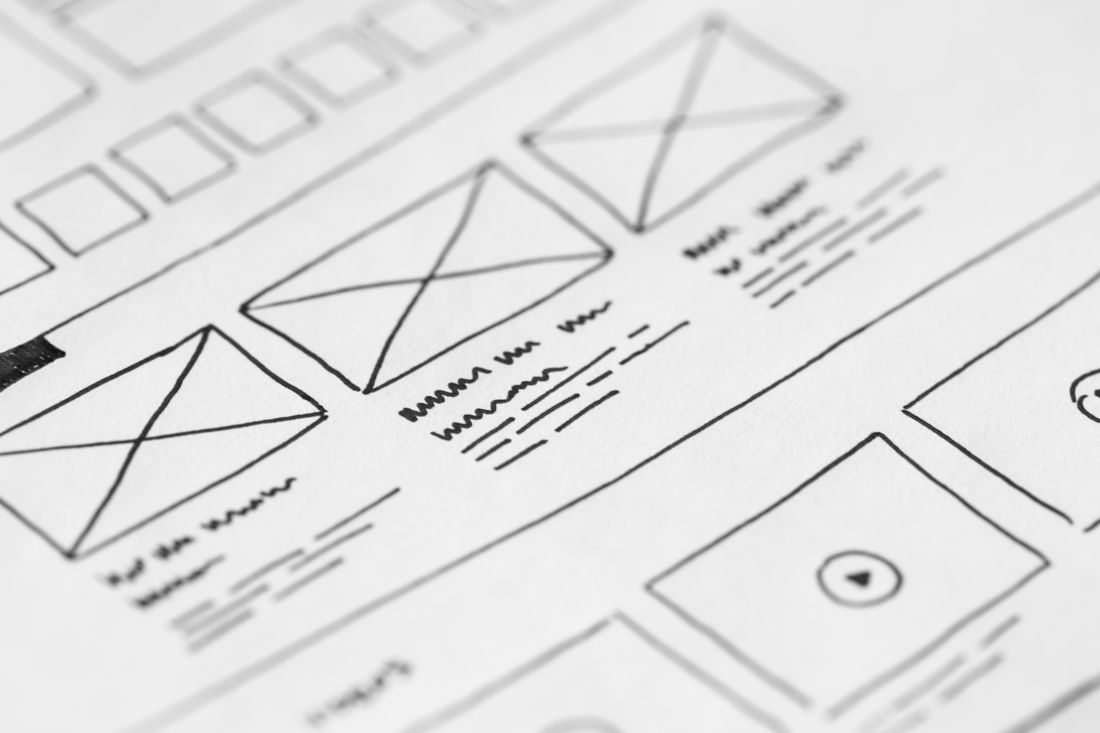
Frames document how hierarchy changes over time.

Reusable timings align navigation, content, and feedback.
READING FLOW
Start from the state change.
Design the pause as carefully as the move.
Keep timing tokens shared.
Test behavior across real content.
MORE NOTES FROM FORMA


VIEW ALL NOTES